


Aluminum vs. D-Coated Steel Pipe and Joint Systems: Complete Engineering Comparison
How to choose between 28mm resin-coated steel pipes (DP2807/DP2812) and anodized aluminum modular pipes (GS-1250A) for workstations, FIFO flow racks, and mobile trolleys.
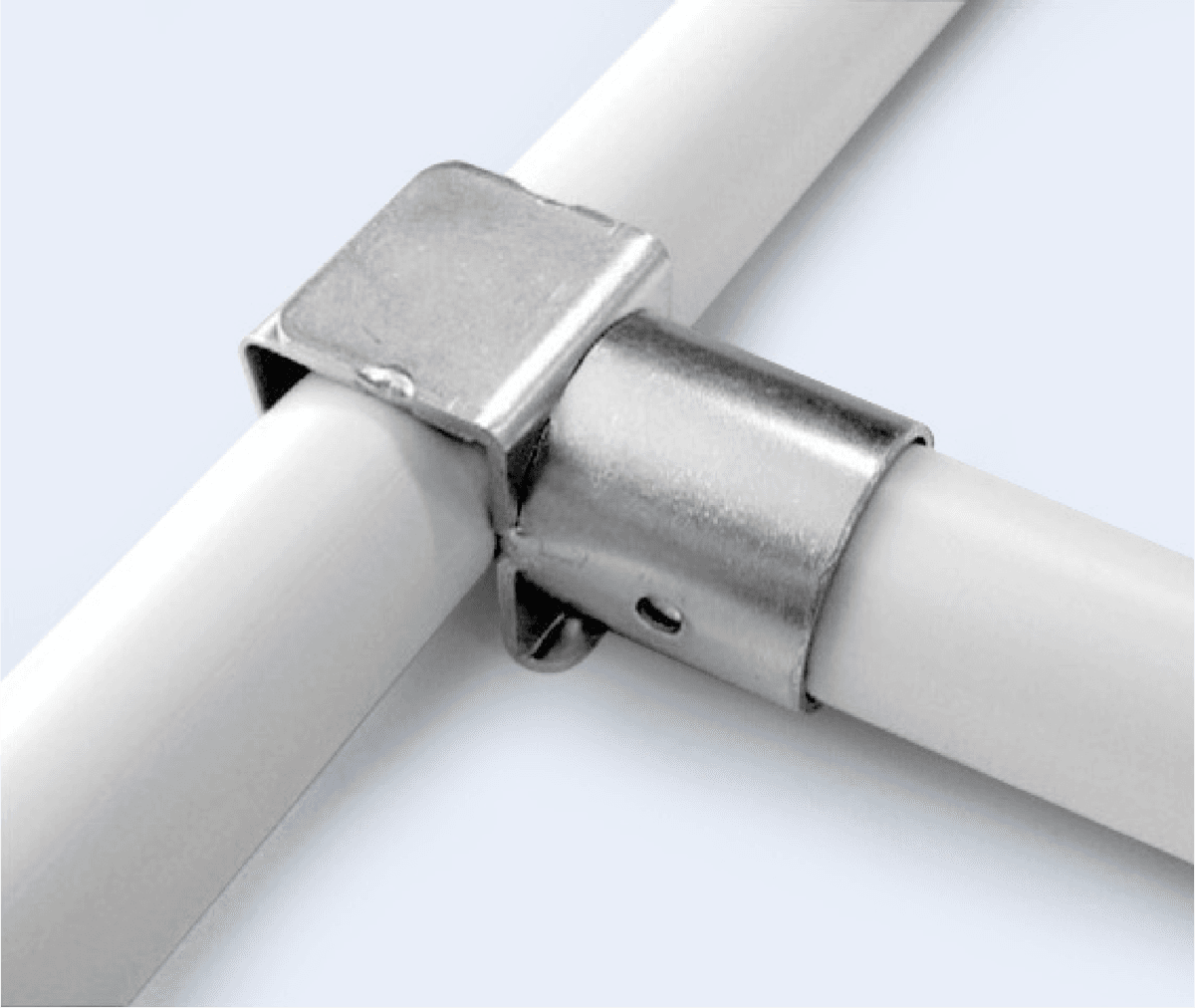
- 45%
- Lighter Frame Weight (Aluminum)
- 28 mm
- Standard Outer Diameter
- 100%
- Component Reusability
- 0.7–2.0 mm
- Steel Wall Thickness Options
Executive Summary & Engineering Takeaway
Choose D-coated steel pipe and joint systems (DP2807–DP2820) for high-load static FIFO racks, heavy workbenches, and cost-effective factory setups; choose anodized aluminum pipe systems (GS-1250A) for lightweight mobile kitting carts, tugger train trolleys, cleanrooms, and Karakuri mechanical automation where low dead-weight and corrosion resistance are critical.
1. Structural Mechanics: D-Coated Steel vs. Ribbed Aluminum Pipes
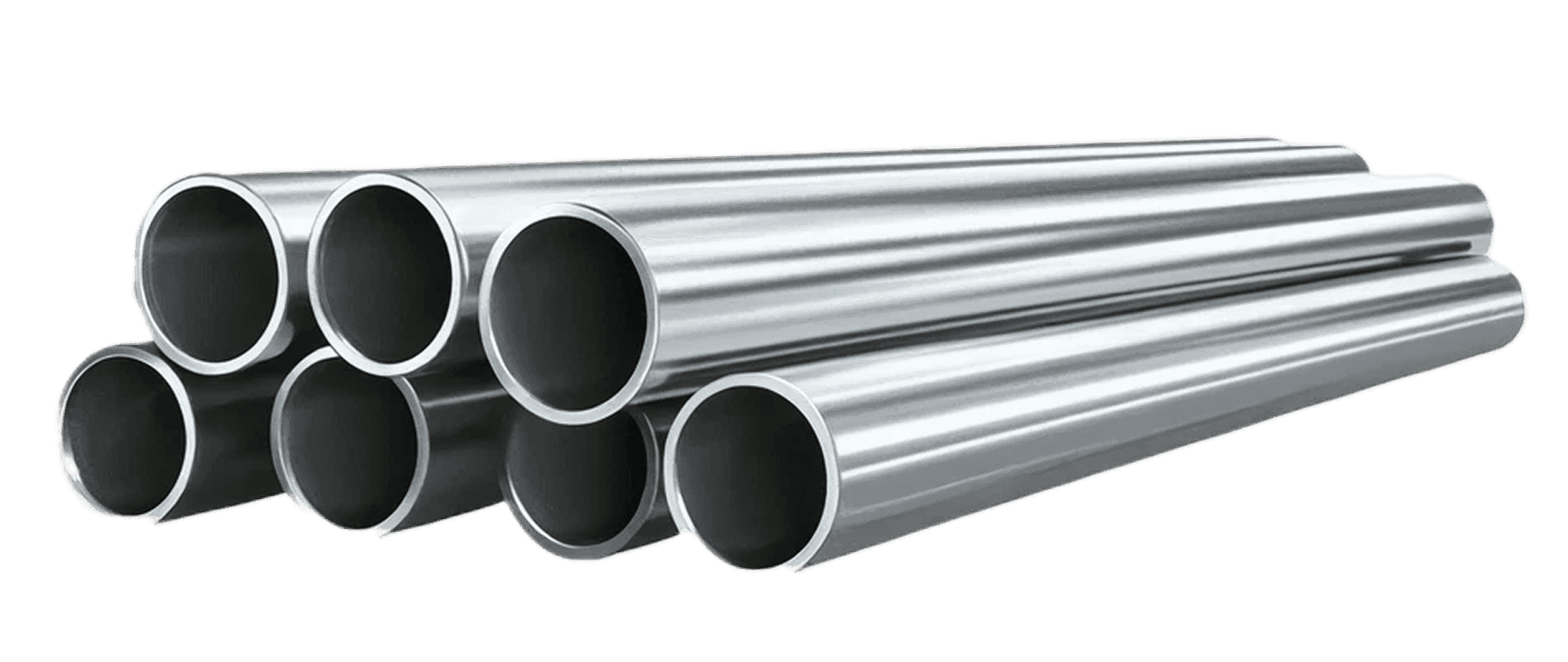
Both D-coated steel pipes (such as G-SACE DP2807, DP2810, DP2812, and DP2820) and modular aluminum pipes (GS-1250A) share the universal 28 mm outer diameter standard, meaning engineers can mix or transition between systems using standardized clamping hardware.
D-coated steel pipes use cold-rolled steel tubing bonded with an outer polyethylene/ABS resin layer and an anti-corrosion inner primer. Aluminum pipes use extruded 6063-T5 anodized aluminum with internal cross-ribs that prevent ovalization under clamping torque while cutting linear weight to just 505 g/m.
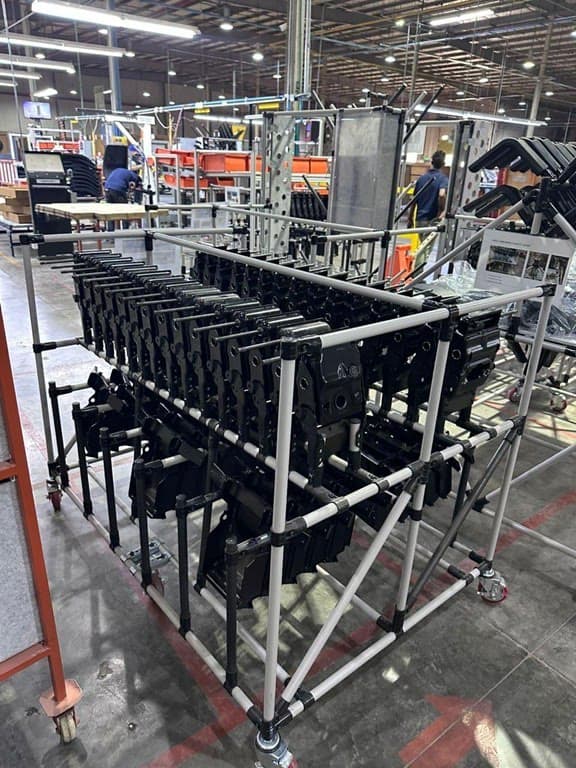
- D-Coated Steel (DP2812 1.2mm): Highest bending stiffness per dollar for stationary FIFO flow racks and heavy assembly tables.
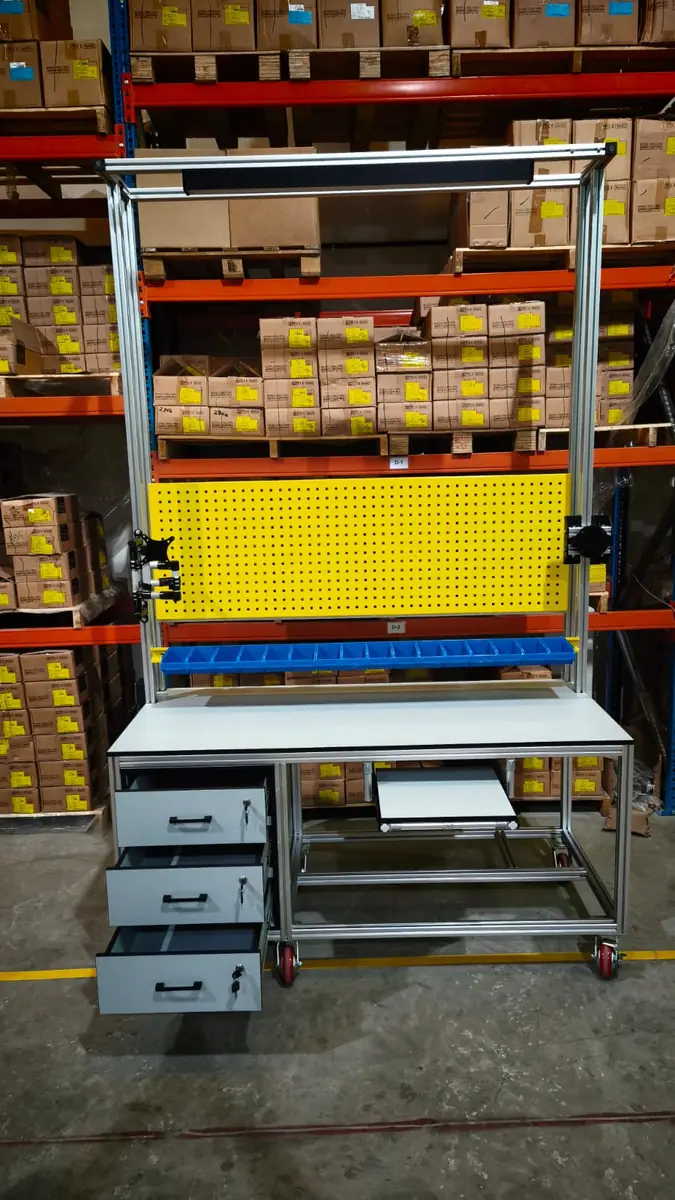
- Anodized Aluminum (GS-1250A): 45% lighter than steel, zero rust in humid or washdown environments, and naturally conductive for ESD zones.
- Hybrid Builds: Many MENA factories use steel pipes for stationary line-side racks and aluminum pipes for push-carts and Karakuri mechanisms.
2. Ergonomics and Push-Pull Force on Factory Trolleys
In intralogistics and kitting operations where operators push material-handling carts dozens of times per shift, dead-weight directly impacts operator fatigue and safety. Replacing steel tubing with GS-1250A aluminum tubing reduces cart tare weight by nearly half, allowing operators or autonomous mobile robots (such as Wheel.me) to move larger payloads with lower rolling resistance.
Engineering Comparison: D-Coated Steel vs. Aluminum Pipe Systems
| Parameter | D-Coated Steel (DP2807–DP2820) | Anodized Aluminum (GS-1250A) | Best Industrial Fit |
|---|---|---|---|
| Linear Weight | 850 – 1,650 g/m | 505 g/m | Aluminum wins for mobile trolleys & AGVs |
| Corrosion Resistance | High (anti-rust inner coat) | Maximum (anodized 6063-T5) | Aluminum wins for cleanrooms & pharma |
| ESD Conductivity | Requires Black ESD Coating | Naturally Conductive | Aluminum or ESD Steel for electronics |
| Initial Material Cost | Lowest cost per meter | 15%–25% premium | Steel wins for large stationary FIFO racks |
