


Karakuri Kaizen: Building Zero-Energy Mechanical Automation with Pipes and Joints
How automotive and industrial plants in Saudi Arabia and Jordan use gravity, counterweights, cams, and G-SACE pipe-and-joint mechanisms to automate tote transfers with zero electricity.

- 0 kWh
- Electrical Energy Consumed
- 70%
- Lower Cost vs. Motorized Conveyors
- 0
- Sensors or PLC Failure Points
- 15–30s
- Saved per Operator Cycle
Executive Summary & Engineering Takeaway
Karakuri Kaizen is a lean manufacturing engineering discipline that uses gravity, levers, pulleys, counterweights, and roller tracks built from modular pipes and joints to automate material handling and box return without electric motors, PLCs, or pneumatic cylinders.
1. Why Karakuri Outperforms Complex Conveyor Automation on Assembly Lines
Traditional powered conveyors and pneumatic lifters require electrical wiring, PLC programming, safety light curtains, and spare motor inventory. When a sensor fails, the entire line stops.
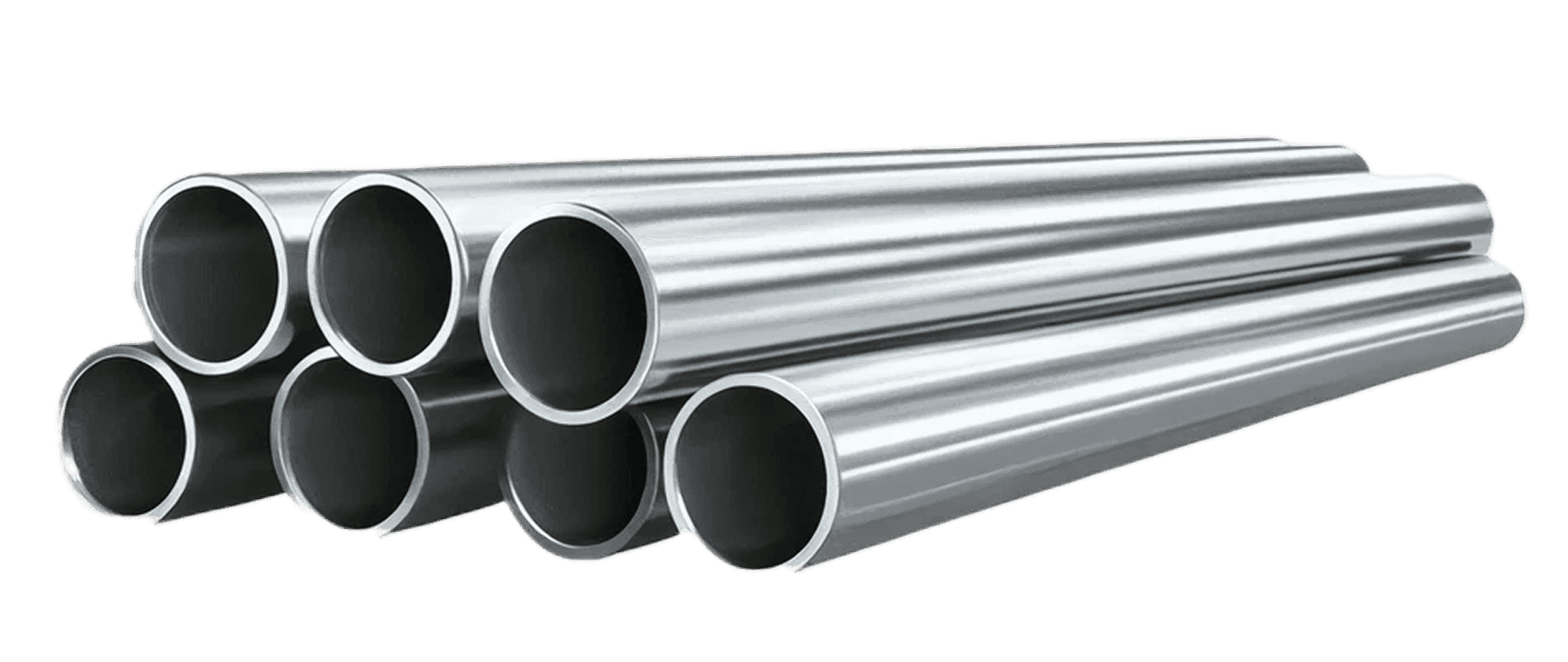
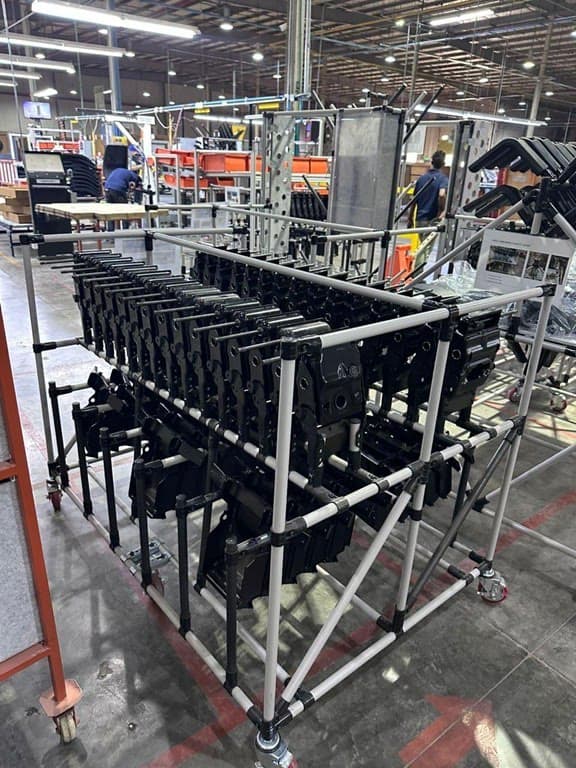
Karakuri mechanisms built by ADAPTIV using Korean G-SACE pipes, rotary joints, roller tracks, and simple counterweights use the weight of the full tote itself to raise or return empty totes automatically.
- Gravity Jig & Tote Return: Inclined lower roller lanes return empty fixtures to the start of the assembly line automatically.
- Counterweight Elevators: When a heavy parts bin is placed on a platform, it descends smoothly to ergonomic waist height; when emptied, a counterweight returns the platform to the top reload level.
- Shooter Racks for AGVs/AMRs: Mechanical latches release full totes from a tugger cart onto a line-side FIFO rack as the cart passes by.
2. Real Implementation: Assembly Line with Integrated Jig Return
In ADAPTIV's 10-meter assembly line project, integrating a gravity-fed jig return lane directly beneath the 8 modular workstations eliminated manual carrier walking and improved line ergonomics without a single motor.
Karakuri Mechanical Automation vs. Motorized Conveyors
| Factor | ADAPTIV Karakuri System | Motorized / PLC Conveyor | Shopfloor Advantage |
|---|---|---|---|
| Capital Cost (CAPEX) | Low (standard pipes, joints & rollers) | 3×–5× higher (motors, drives, PLCs) | Immediate payback (<6 months) |
| Maintenance & Downtime | Visual mechanical inspection only | Requires electrical & PLC technicians | Near-zero unplanned downtime |
| Reconfiguration | Adjustable in hours with Allen key | Requires electrical rewiring & code changes | Ideal for high-mix Kaizen lines |
